Construction Accident: A Comprehensive Guide to Workplace Injuries
Construction accident is a term that unfortunately remains common across the United States. Every day, workers put their lives on the line in hazardous environments, often facing risks that can lead to severe injuries or even fatalities. Therefore, understanding the causes, legal rights, and necessary steps after a construction site injury is critical for protecting yourself and your future.
Why Construction Accidents Are So Common
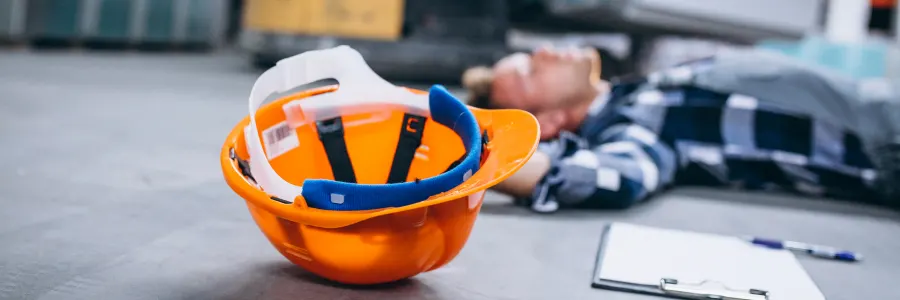
Construction accident cases arise due to a variety of factors, including unsafe work conditions, inadequate safety measures, defective equipment, and lack of proper training. The construction industry remains one of the most dangerous sectors, with thousands of workers suffering injuries annually. In addition, high-pressure environments and tight deadlines often cause safety procedures to be overlooked, increasing the risk of serious workplace accidents.
Knowing these risks can help both workers and employers implement stronger safety protocols. Moreover, fostering a culture of safety awareness can significantly reduce the chances of a devastating construction site injury.
Common Types of Construction Accidents
A construction accident can take many forms, including but not limited to:
- Falls from scaffolding or ladders
- Electrocution incidents
- Machinery malfunctions and accidents
- Being struck by falling objects
- Trench collapses
- Slip and fall incidents on construction sites
Each type of workplace injury carries its own unique risks and can lead to devastating physical, emotional, and financial consequences. Furthermore, these incidents often affect not only the worker involved but also their families, who may face overwhelming medical bills and financial hardship.
What to Do After a Construction Accident
If you suffer a construction accident, immediate action is crucial to preserve your rights and maximize your potential compensation. Here’s what you should do:
- Seek medical attention promptly, even if the injury appears minor. Delayed symptoms can worsen over time.
- Report the incident to your supervisor or site manager as soon as possible.
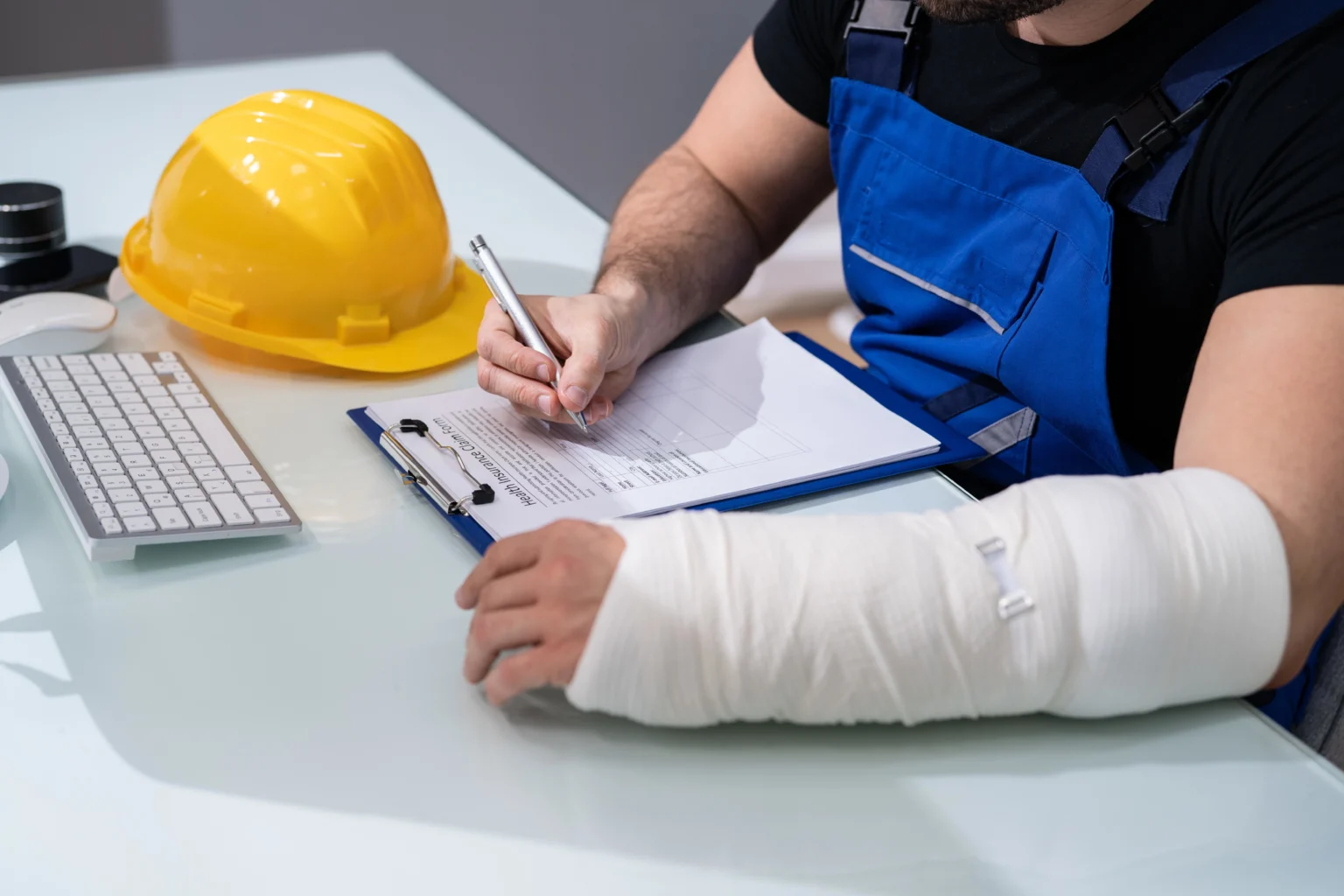
- Document everything — take detailed photos of the accident scene, gather witness statements, and maintain all medical records.
- Consult an experienced construction accident attorney to understand your rights and navigate the claims process effectively.
Additionally, it’s important not to give recorded statements to insurance companies without legal representation. Small errors or omissions could negatively impact your case.
Legal Options After a Construction Accident
Workers injured in a construction accident may be entitled to more than basic workers’ compensation benefits. If negligence by a third party, such as a subcontractor, equipment manufacturer, or property owner, contributed to your injury, you might have grounds to file a personal injury lawsuit for additional damages, including:
- Medical expenses and ongoing care
- Lost wages and future loss of earnings
- Pain, suffering, and emotional distress
- Rehabilitation and long-term disability costs
Therefore, protecting your rights after a construction site accident often requires immediate action, thorough evidence collection, and strong legal advocacy. In complex cases, a skilled attorney can identify liable parties and pursue the maximum available compensation.
Conclusion
A construction accident can turn your world upside down in a matter of moments. However, taking the right steps immediately and securing experienced legal counsel can dramatically improve your chances of a successful recovery. If you or a loved one has been injured on a construction site, do not hesitate — seek trusted legal advice today to fight for the compensation you deserve.